
10 Benefits of AI in Enterprise Operations
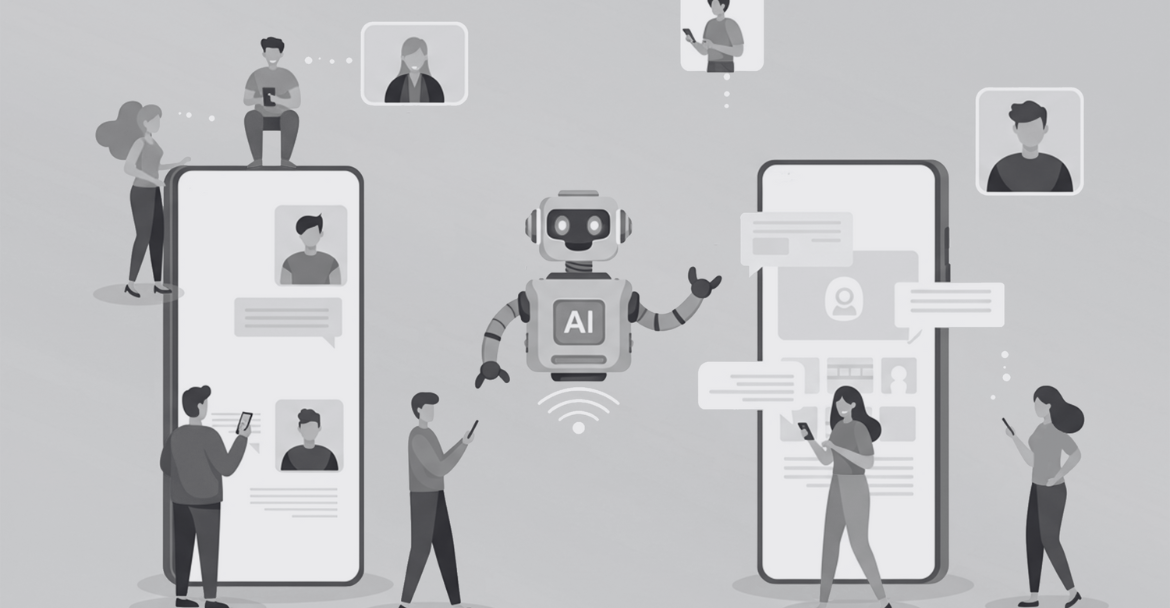
Artificial intelligence is rewriting how enterprises think, plan, and compete. More than three-quarters of companies now use AI technologies in at least one business function, and while adoption is one thing, it’s the application of these enterprise technology solutions that matters most.
Forward-thinking organizations are using AI to anticipate risks before they surface, streamline decision-making across teams, and fine-tune workforce strategies that keep top talent engaged. Beyond efficiency gains, AI is powering smarter business operations, sharper insights, and stronger competitive advantage.
Here’s a look at where the benefits of AI in enterprise operations are most prevalent.
1. Automating Repetitive Tasks
Every team has that one process everyone dreads: the endless data entry, the back-and-forth emails, the spreadsheets that never quite add up. It’s the kind of work that eats up hours but adds little value. AI is changing that story. By automating repetitive business processes, organizations are freeing up people to do the kind of thinking machines can’t replicate.
Here’s what that could look like: in a busy finance department, invoices used to pile up faster than coffee cups on a Monday morning. Now, AI quietly handles the heavy lifting, reading invoice details, validating amounts, and routing approvals automatically. What was once a bottleneck becomes a smooth, invisible process.
2. Accessing Predictive Analytics
Enterprises are swimming in data but but often left scavenging for insight. HR struggles to see where talent gaps are forming, finance teams can’t spot the story behind the numbers fast enough, and IT is buried in dashboards that don’t connect. AI cuts through the noise and turns raw data into real-time, strategic clarity that leaders can act on.
Here’s what that could look like: HR uses AI to forecast attrition risk before it spikes, finance gets predictive models that flag potential budget overruns, and IT sees which systems are trending toward downtime. Instead of reacting to yesterday’s issues, leadership teams shape tomorrow’s outcomes with data that speaks their language.
3. Enhancing the Client Experience
Clients, employees, and end users all expect instant, personalized support, but even the most dedicated teams can’t scale empathy on demand. Service desks get overwhelmed, response times drag, and satisfaction drops. AI changes the tempo, creating intelligent systems that foresee needs and handle requests before escalation.
Here’s what that could look like: an AI-powered HR assistant answers routine questions instantly — “When do open enrollment benefits start?” or “How do I update my tax forms?” — freeing HR teams to focus on complex, high-value conversations. Response times drop from days to seconds, and employees feel heard and supported without adding headcount.
4. Improving Workforce Management & Retention
High turnover doesn’t happen overnight; it builds quietly in the background, buried in disengagement scores, attendance patterns, or lack of career growth. The problem is, HR rarely has the time or tools to see it coming. AI tools change that dynamic by connecting signals across performance, sentiment, and opportunity data.
Here’s what that could look like: using Eightfold.AI, HR identifies employees showing early signs of disengagement and recommends internal projects or roles that align with their skills. Instead of losing top talent, the organization re-engages them. Retention improves, morale lifts, and people stay because growth feels intentional.
5. Strengthening Compliance & Risk Management
In finance, one missed anomaly can turn into a major compliance issue. Manual audits and fragmented systems make it nearly impossible to catch every error, especially when transaction numbers are in the millions. AI makes this process preemptive.
Here’s what that could look like: AI monitors every transaction in real time, automatically flagging unusual activity that might indicate fraud, duplicate payments, or policy violations. When regulators or auditors arrive, finance already has the data — clean, documented, and verified. Compliance moves from a scramble to a strategic strength.
6. Refining Financial Forecasting
Forecasting has always been part art, part science, but when market trends accelerate, gut instinct isn’t enough. AI brings the precision of continuous learning to financial modeling, updating forecasts as new data arrives.
Here’s what that could look like: a CFO uses Databricks-powered models to simulate multiple “what-if” scenarios. When supply chain costs surge or hiring slows, AI recalibrates projections instantly. Finance leaders can model outcomes, reroute capital, and communicate strategy with confidence.
7. Driving Enterprise Collaboration
Every organization knows the frustration of collaboration that feels harder than it should be: endless meetings, disconnected tools, and knowledge buried in inboxes or hard-to-find drives. When teams can’t easily share insights or access what they need, progress slows, and opportunities slip through the cracks. AI connects information across systems, surfacing context when it matters most, and transforming collaboration from a chore into a catalyst for innovation.
Here’s what that could look like: an IT department uses an AI-powered collaboration platform that automatically summarizes meetings and distills action items for every participant. No one’s chasing notes or trying to remember who said what; decisions are documented, next steps are clear, and projects move forward without losing momentum.
8. Boosting Enterprise Innovation & Competitive Edge
Innovation can’t thrive when teams are bogged down by manual analysis or disconnected systems. IT teams, in particular, face mounting pressure to deliver insights faster and enable smarter experimentation. AI makes that possible by automating analysis and surfacing connections that spark new ideas.
Here’s what that could look like: AI scans infrastructure logs and performance metrics to uncover patterns that inspire new automation workflows. IT leaders use those insights to launch self-healing systems that reduce downtime and free up developers for strategic innovation versus maintenance.
9. Scaling Operations Seamlessly
Growth is exciting, but it often exposes the cracks in enterprise operations: workflows that can’t keep up, data that doesn’t sync across systems, and teams stretched thin just trying to maintain momentum. AI scales intelligence alongside expansion, ensuring that as the business grows, efficiency and accuracy grow with it.
Here’s what that could look like: in finance, AI integrations between Workday and Databricks automatically reconcile payroll data across regions, flag inconsistencies before close, and maintain compliance with ever-changing global standards. What once required weeks of manual cleanup now happens in real time.
10. Building Long-Term Resilience & Agility
In a world of constant disruption, from supply chain shifts to cyber threats and market volatility, resilience has become every organization’s most valuable asset. AI helps build that resilience by turning reactive responses into proactive foresight, giving leaders the visibility to pivot before disruption becomes impact.
Here’s what that could look like: in IT, AI continuously scans infrastructure behavior, detects anomalies before they cause outages, and recommends preemptive fixes. The result is a technology environment that adapts on its own, minimizing downtime, protecting critical systems, and giving teams back their nights and weekends.
The Groove's Approach to Realizing AI’s Full Potential in Business
Growth comes from making the tools you have work smarter together. That’s the power of AI done right. The difference between hype and real business value lies in execution: connecting systems, shaping data, and building processes that think ahead.
That’s where The Groove helps teams find their rhythm. We bring the strategy, integration expertise, and hands-on experience to turn AI ambition into operational results. Whether it’s optimizing finance workflows in Workday, transforming talent insights with Eightfold.AI, or driving data intelligence through Databricks, we help enterprises orchestrate AI that actually delivers.
If you’re ready to turn “what if” into “what’s next,” let’s connect. Reach out to The Groove to see how we can help your organization unlock AI’s full potential, with impact you can measure and momentum you can feel.
Frequently Asked Questions About AI in Business Operations
What’s the first step for enterprises starting their AI adoption journey?
The first step is defining the problems you want AI systems to solve. Many organizations start small with a high-impact use case, like automating invoice processing or improving workforce analytics, and then scale once they see measurable results in solving complex business challenges.
What challenges do enterprises face when adopting artificial intelligence?
The biggest hurdles are usually data quality, system integration, and change management. AI-driven solutions can only be as smart as the data feeding them, so building strong data governance and aligning teams around shared outcomes is essential for success.
How can generative AI be applied beyond marketing or content creation?
Generative AI is now being used to design workflows, summarize complex reports, draft policy updates, and even suggest process improvements. It’s becoming a practical co-pilot for operations, helping teams move from reactive tasks to proactive innovation.
How does natural language processing (NLP) make enterprise systems more usable?
NLP bridges the gap between people and technology. Instead of navigating multiple dashboards, employees can simply ask questions like “Show me our top overtime costs this quarter” or “Who’s up for certification renewal next month?” — and get immediate, contextual answers.
How can enterprises evaluate the success of their AI initiatives?
Success goes beyond time saved from dealing with routine tasks. It includes better decision speed, higher employee satisfaction, fewer errors, and stronger business continuity. The Groove helps organizations define KPIs that align AI outcomes with strategic goals, so value is clear and measurable.
.jpg)